Finalist: Vanishing Caribou
A narrative picture story, essay, sequence, or series that increases the understanding and appreciation for science or the natural world. Studio scenes that are arranged by the photographer are not eligible.
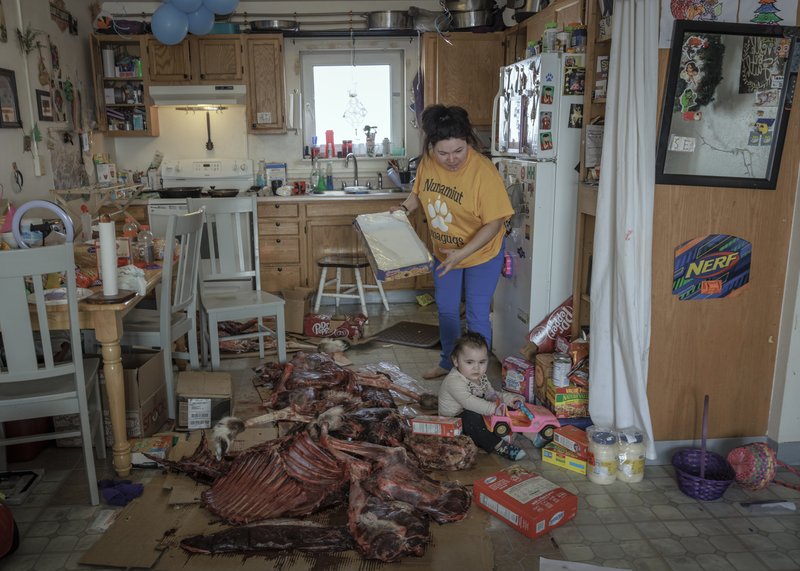
Inside her home, Casey Edwards processes a caribou her brother just hunted for her, as her 1 year old daughter Ellie Lu watches on. Caribou is the single most important source of fresh food and protein in Anakatuvuk Pass. The community is located completely off the road system, and groceries have to be flown in.
Vanishing Caribou
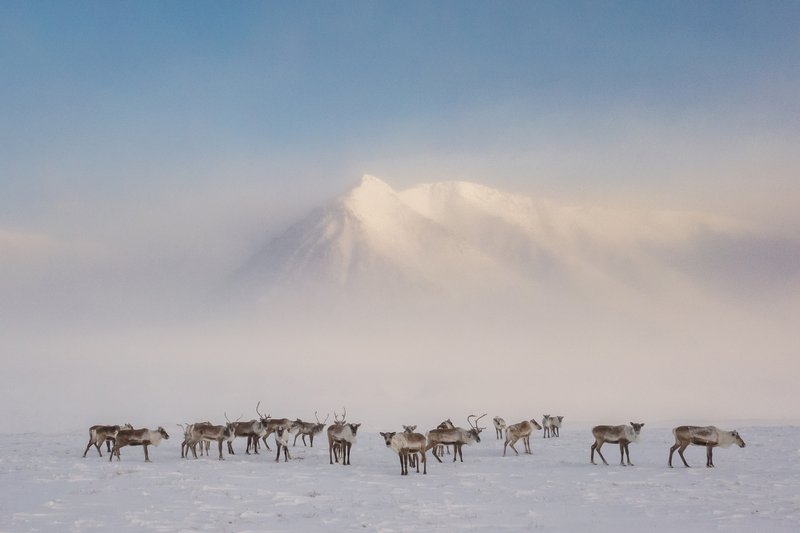
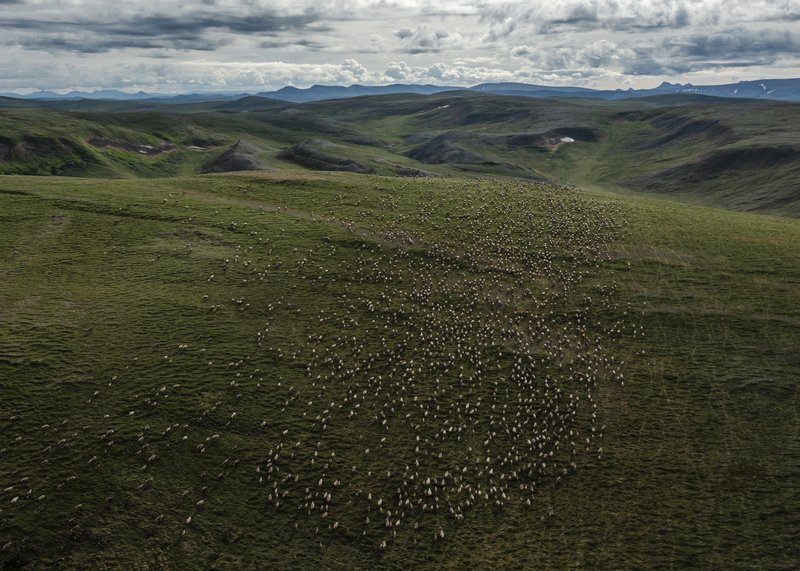
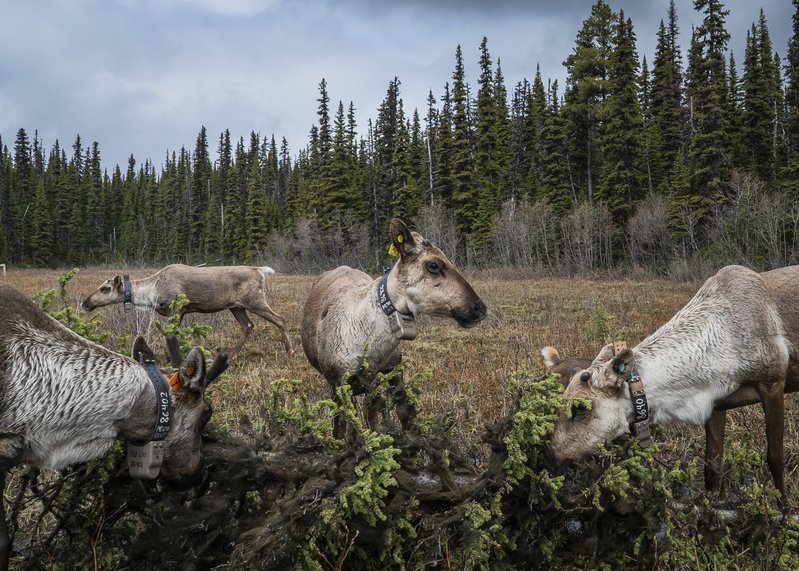
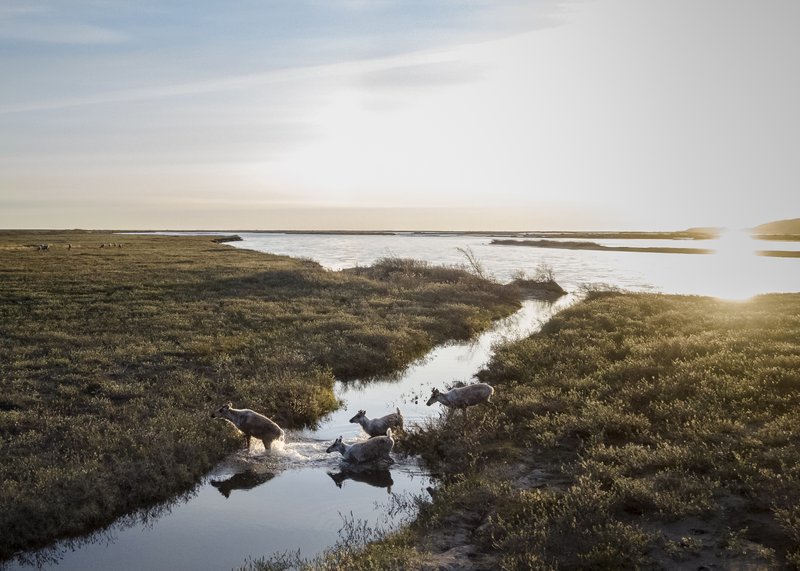
Arctic caribou populations are in shocking decline, going from a total of 5 million animals to roughly 2 million and falling over the last twenty years. There hasn’t been a disappearance of so many large land mammals in such a short period of time since the American bison. It’s an enormous loss that threatens to put even more pressure on the fragile ecosystem of the Arctic, as well as the indigenous communities across Alaska and Canada that have depended on caribou not only for food security, but also culturally and spiritually, for thousands of years.
As scientists in Alaska and Canada scramble to find answers, with everything from climate change, industrial development, predation, disease, and shifts in hunting practices seen as possible causes for caribou decline, we must look not only to science to understand what is happening to caribou, but to the people who know them best.
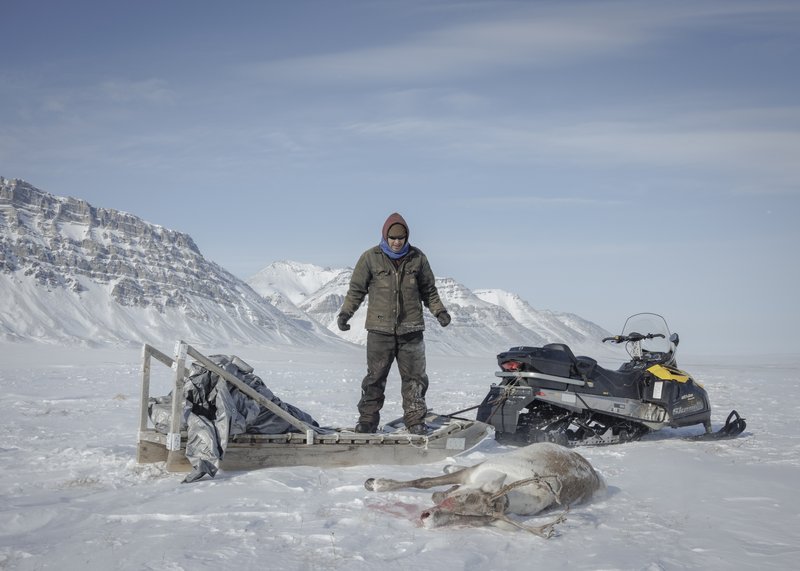
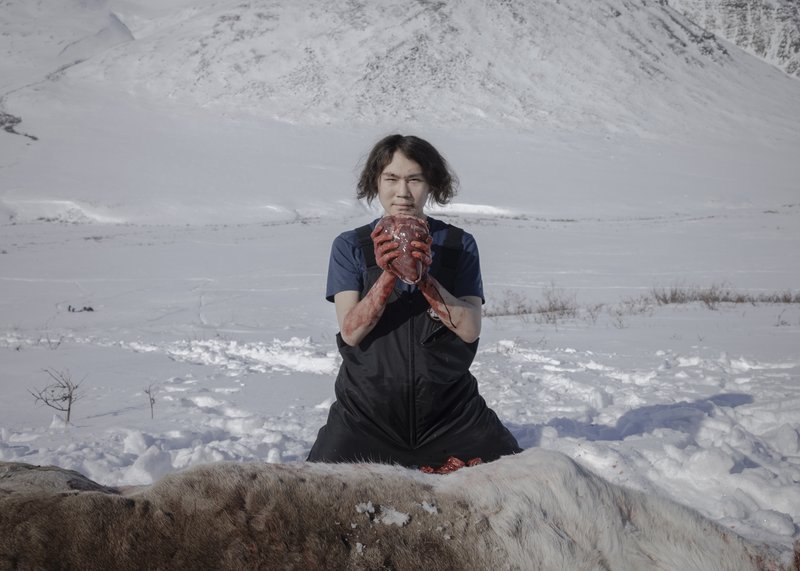
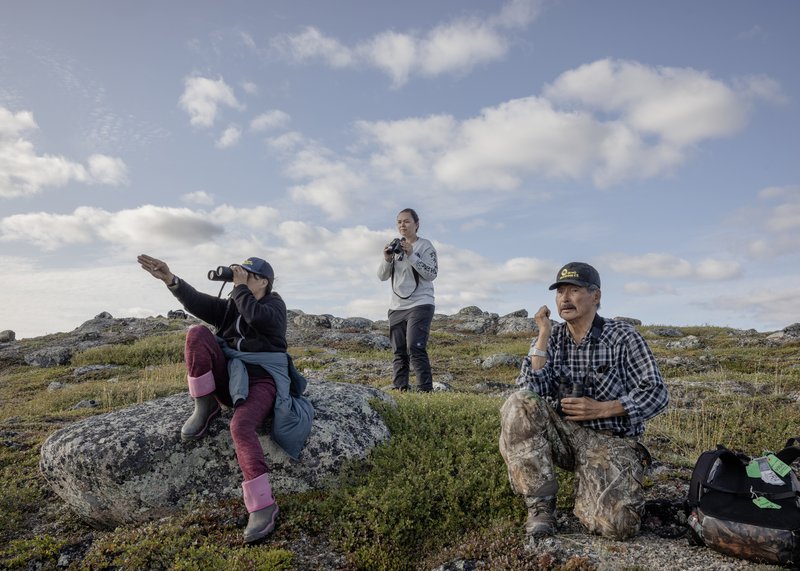
“Vanishing Caribou” is a story as much about caribou as it is about the people who have lived with and depended upon caribou for millennia- like the Nunamiut community of Anaktuvuk Pass, Alaska, the Neets’aii Gwich’in community of Arctic Village, Alaska, the Inuvialuit and Tlicho Tribe in Northwest Territories, Canada and the West Moberly and Saulteau First Nations in British Columbia, Canada. Many of these communities are part of a growing movement of community conservation efforts to preserve landscapes, return ecological stewardship to indigenous people, grow food sovereignty and save the caribou.
Scientists consider caribou to be a “critical species” and indigenous elders talk about them as if they are a primal expression of the landscape itself. Caribou show us just how entangled the ecology of our planet really is and their vanishing is a far greater story than that of a single species. It is a mirror to larger issues related to the climate crisis and biodiversity loss happening all over the world.